“It’s not just a brush, it’s an experience. A ritual. It’s life changing and it’s your life.”

Artist Spotlight: Michael Taylor
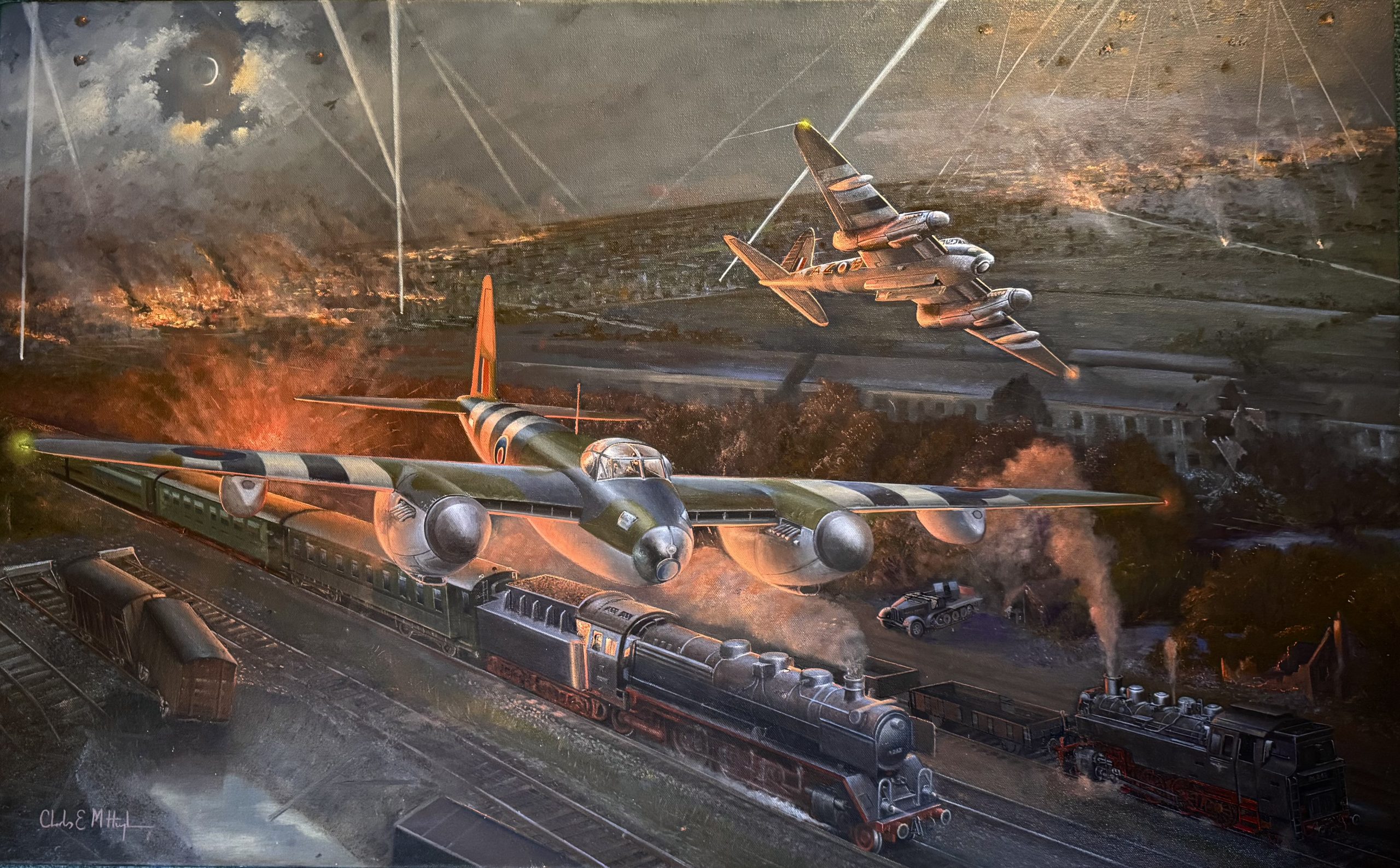
Michael has been painting more or less without a break since leaving Goldsmiths in 1973, exhibiting widely over the years, both internationally and in London. His works are held by many public and private collections, including the National Portrait Gallery, London, the Holburne Museum, Bath, and the House of Lords art collection.
Working slowly on one canvas at a time he has had infrequent but regular one man shows at Beaux Arts, London, Waterhouse and Dodd, London, The Art Stable, Dorset and more recently The Portland Gallery, London.
Michael has received a number of awards, including the NPG Portrait Award, the Holburne Contemporary Portrait Prize and the Royal Society of Portrait Painters Changing Faces Award, of which society he is an elected member.
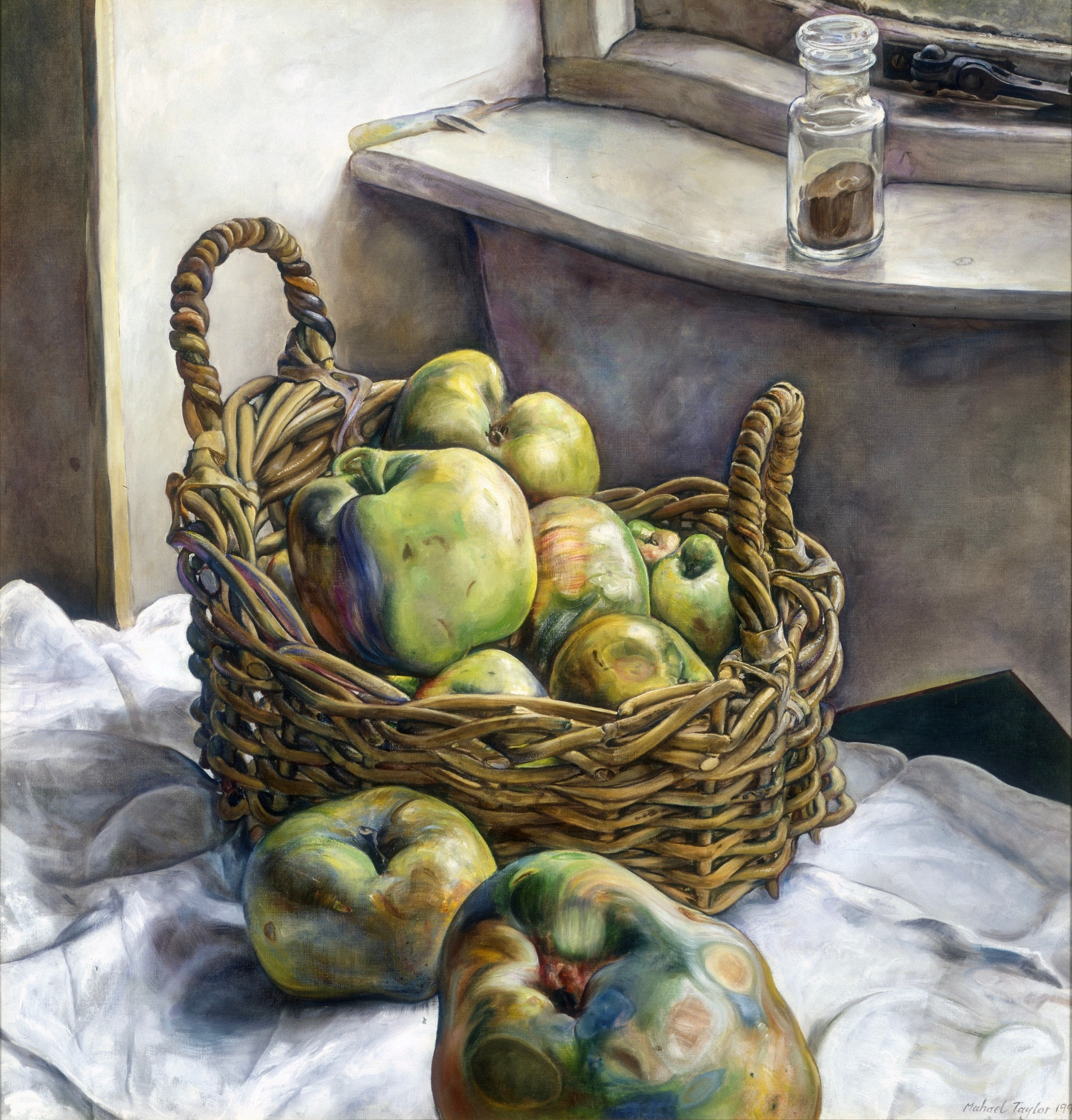
Notable sitters have included crime fiction writer Baroness P D James (NPG), composer Sir John Tavener (NPG), jazz saxophonist Andy Sheppard (Holburne Museum, Bath), classical guitarist Julian Bream (NPG) and Lord Falconer (as Lord Chancellor, House of Lords collection). In 2011 he was commissioned by film director Wes Anderson to create (as Johannes van Hoytl the younger) the fictional renaissance masterpiece Boy with Apple for his Oscar winning movie The Grand Budapest Hotel.
Michael has lived and worked in Dorset for over 40 years.
‘Since leaving Goldsmiths on 1973 I have preferred to work almost entirely from life, on one canvas at a time.
To begin with I experimented with working on gesso panel, but settled on oil on canvas pretty early on. I use oil paint largely because I like the malleability of it, the way it can be pushed around until it looks right. Also unlike water-based paint, it doesn’t change as it dries, meaning that whatever inflections you make are trapped in the setting paint like flies in amber.
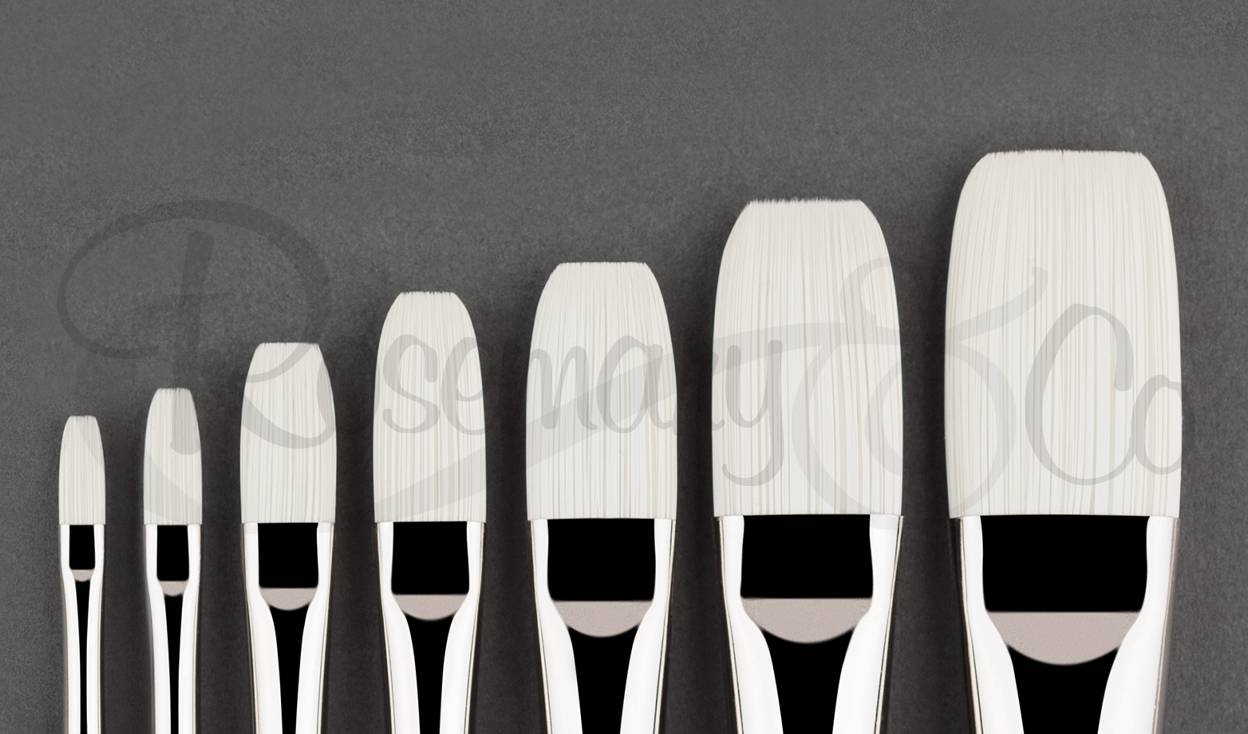
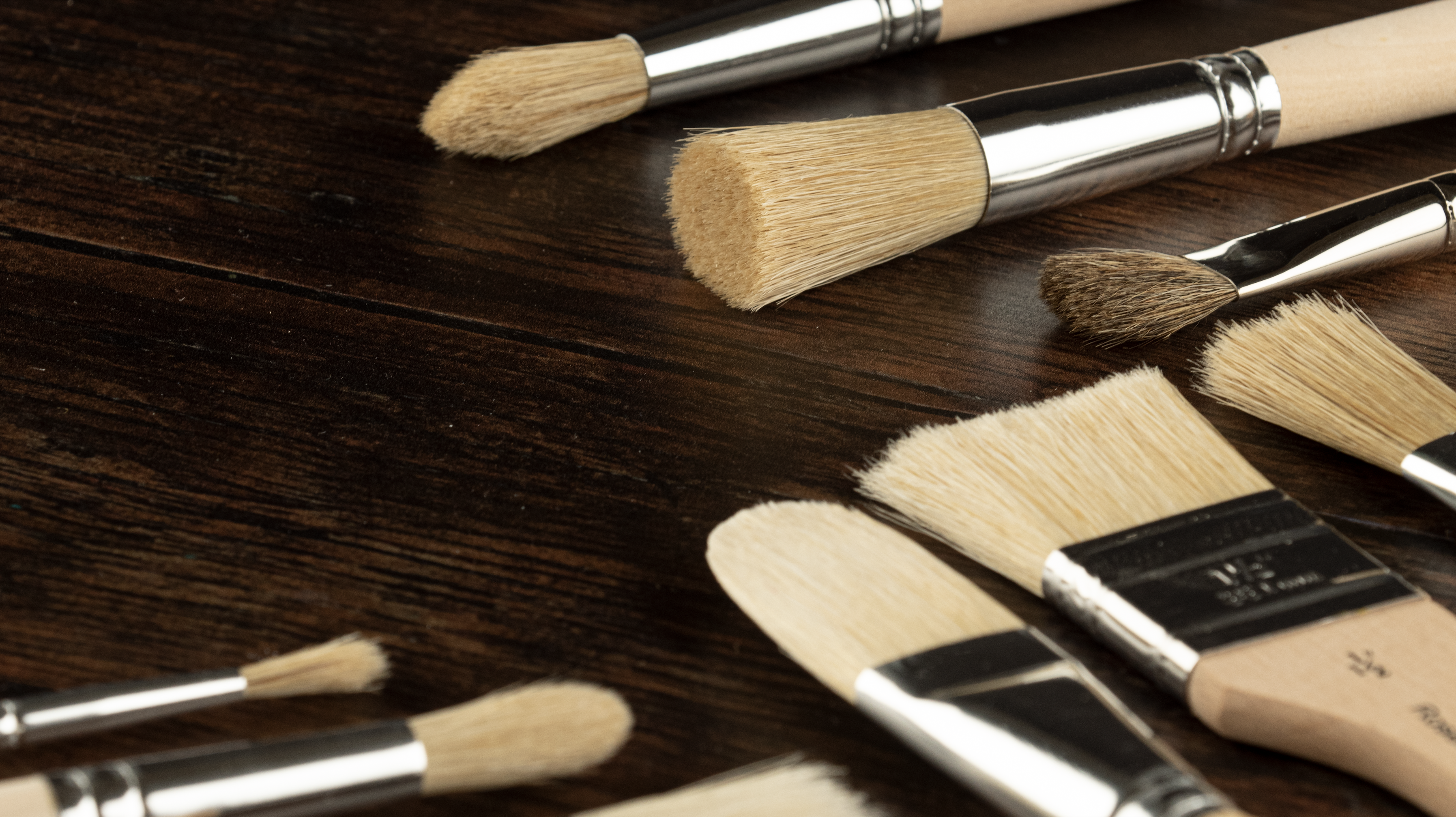
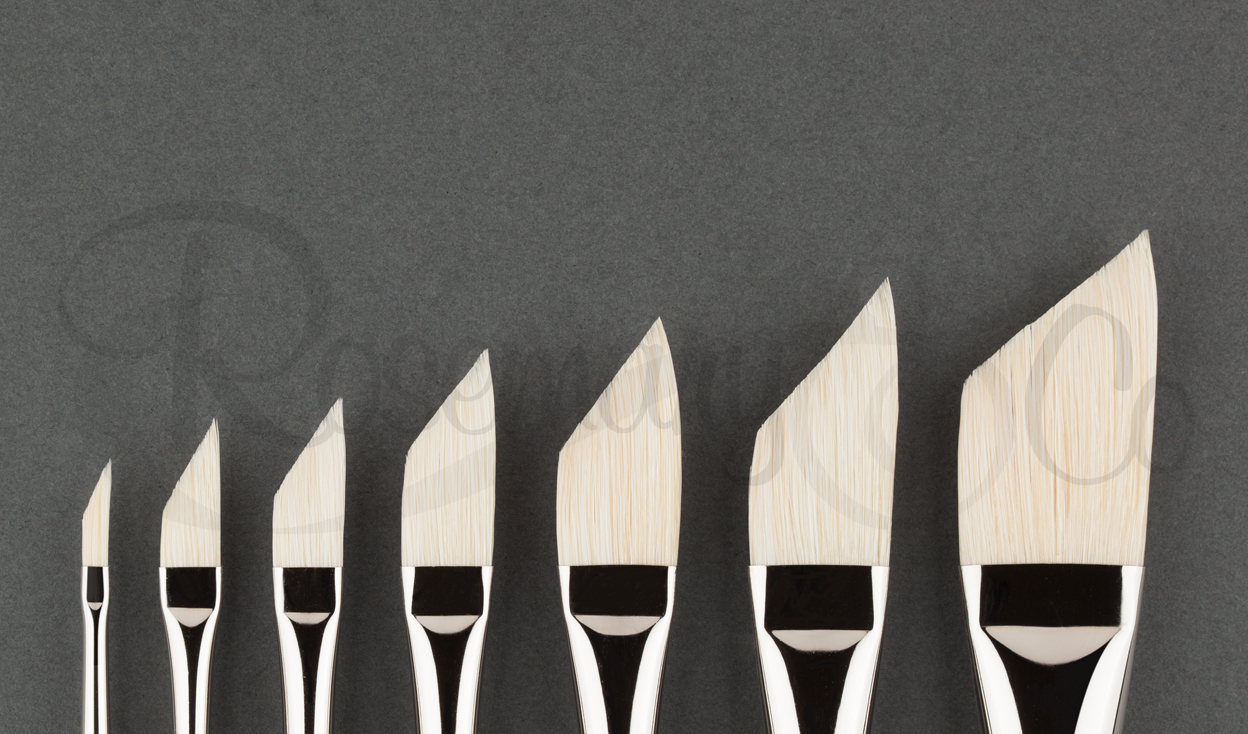
It’s good to feel completely at ease with one’s tools, so I prefer to keep to the same familiar limited pallet. Likewise my preferred brushes, which are the range of Rosemary’s longer hog filberts in various sizes, with synthetic riggers for the finer touches.
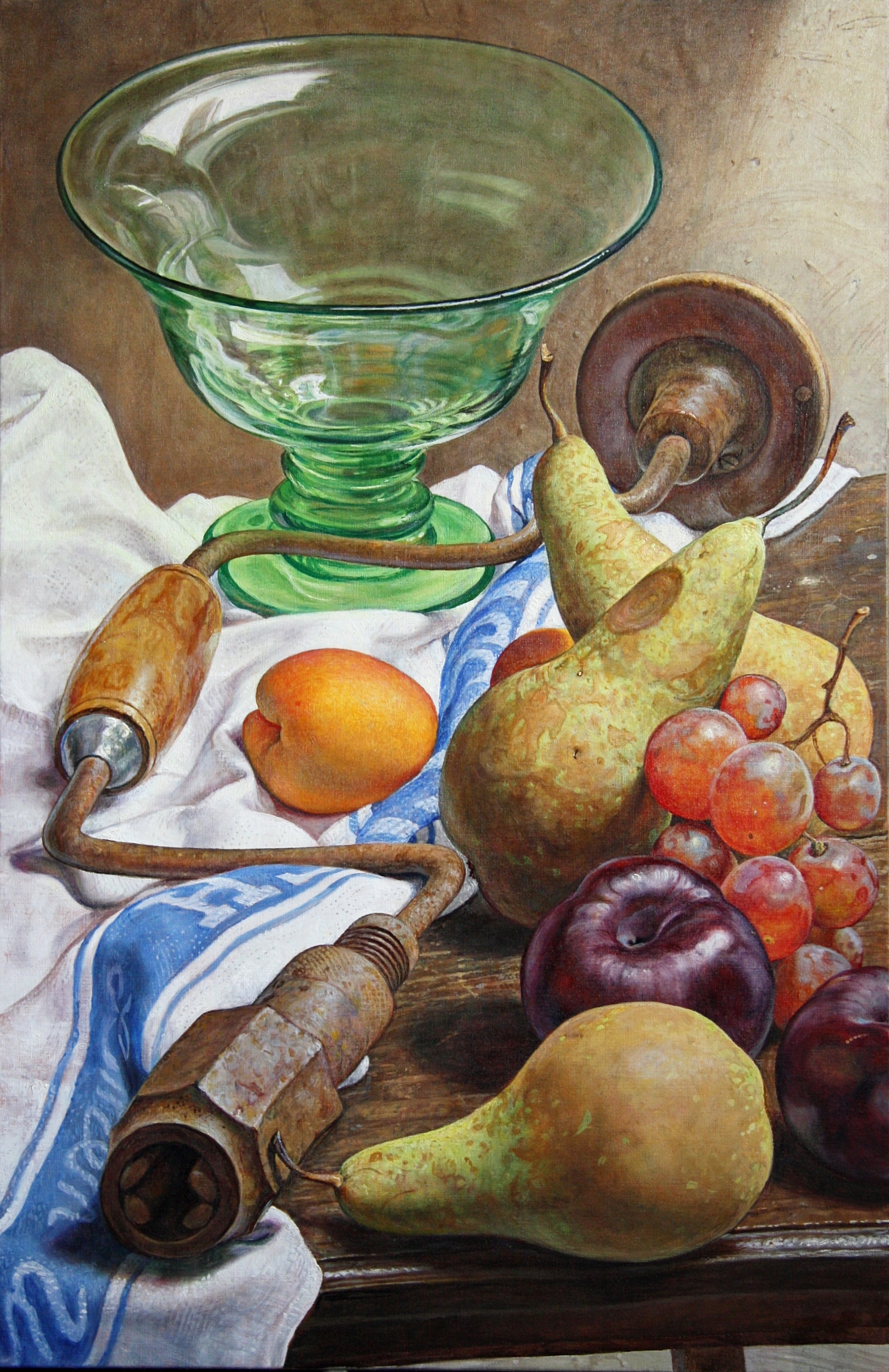
Although I have always taken on the occasional commissioned portrait, my subjects are mostly the people, rooms or objects I know well and am familiar with: friends, things people have given me, or have discarded. Some of my favourite still life subjects are things I have found in skips!
The initial idea for a painting usually begins with some small object that takes my interest, or a particular feeling. It’s an intuitive, rather chaotic process of trial and error, working between the observational and the imaginative via scores of little drawings or diagrams. When the composition stop changing between drawings, I stretch up a canvas to the same proportions, square it up and transfer the drawing’s main elements. For me scale is very important, so I choose a size that feels large enough to crawl about in (so to speak) but not so large that it all falls to pieces on me. I then have quite a disciplined routine painting every day until the light goes, or until I have achieved what I set out to that day. For me it’s an interactive process, with the input from the model an important element.
I don’t work from reference photographs, but once a picture is under way I do take stereoscopic photographs as a studio aid, as I find the way 3D conveys form and texture means I can continue to work if the model is unavailable for a while without getting too lost.
Each painting may take up to three months, so at the end of each day I like to go for a walk in the Dorset landscape to reflect on what I have done, and to plan tomorrow’s work. I know a painting is finished when I sense my involvement ebbing, or notice it getting worse! It’s an instinct really, when to leave it alone.‘
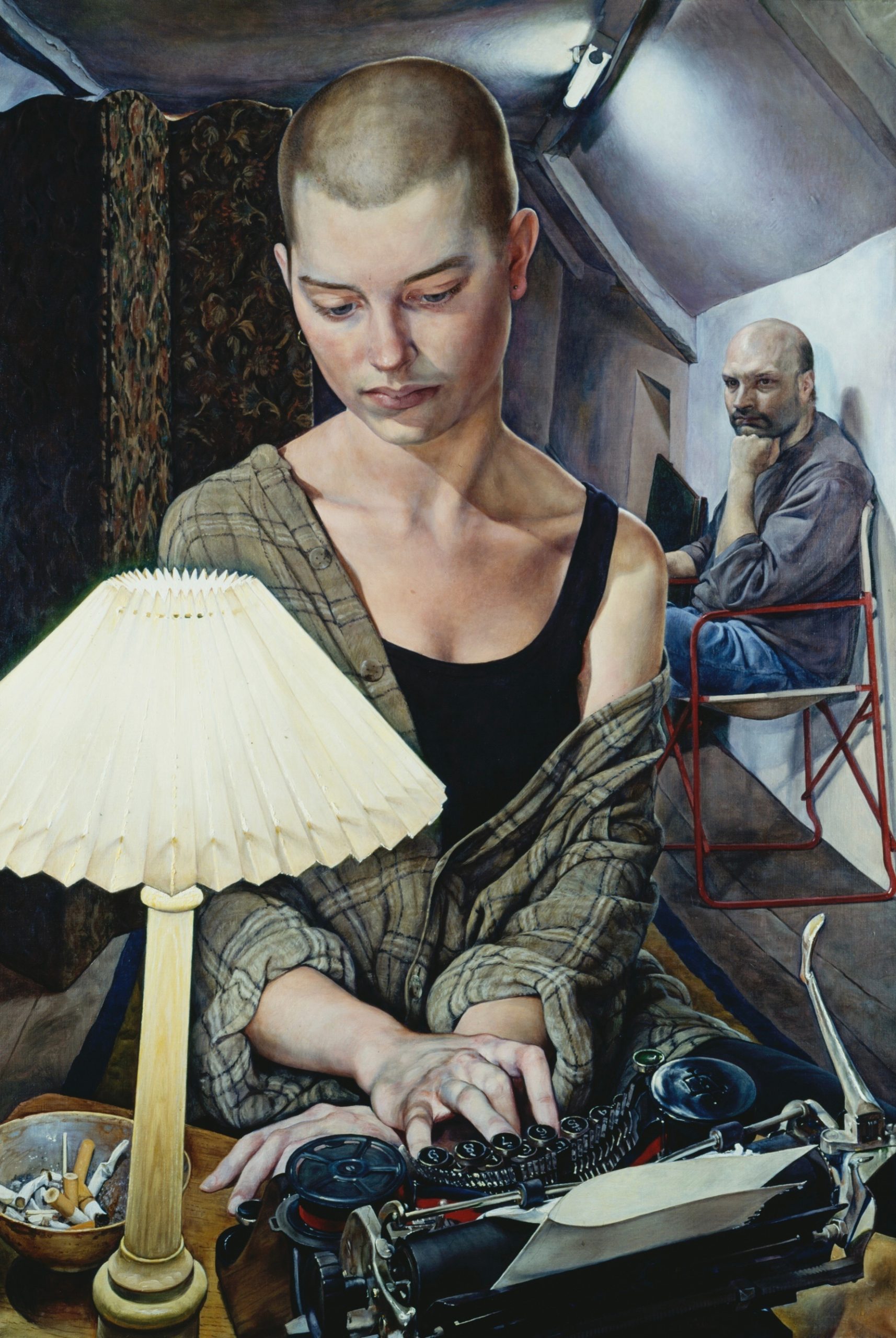
Courtesy of Michael Taylor / mrtaylor.co.uk