“It’s not just a brush, it’s an experience. A ritual. It’s life changing and it’s your life.”
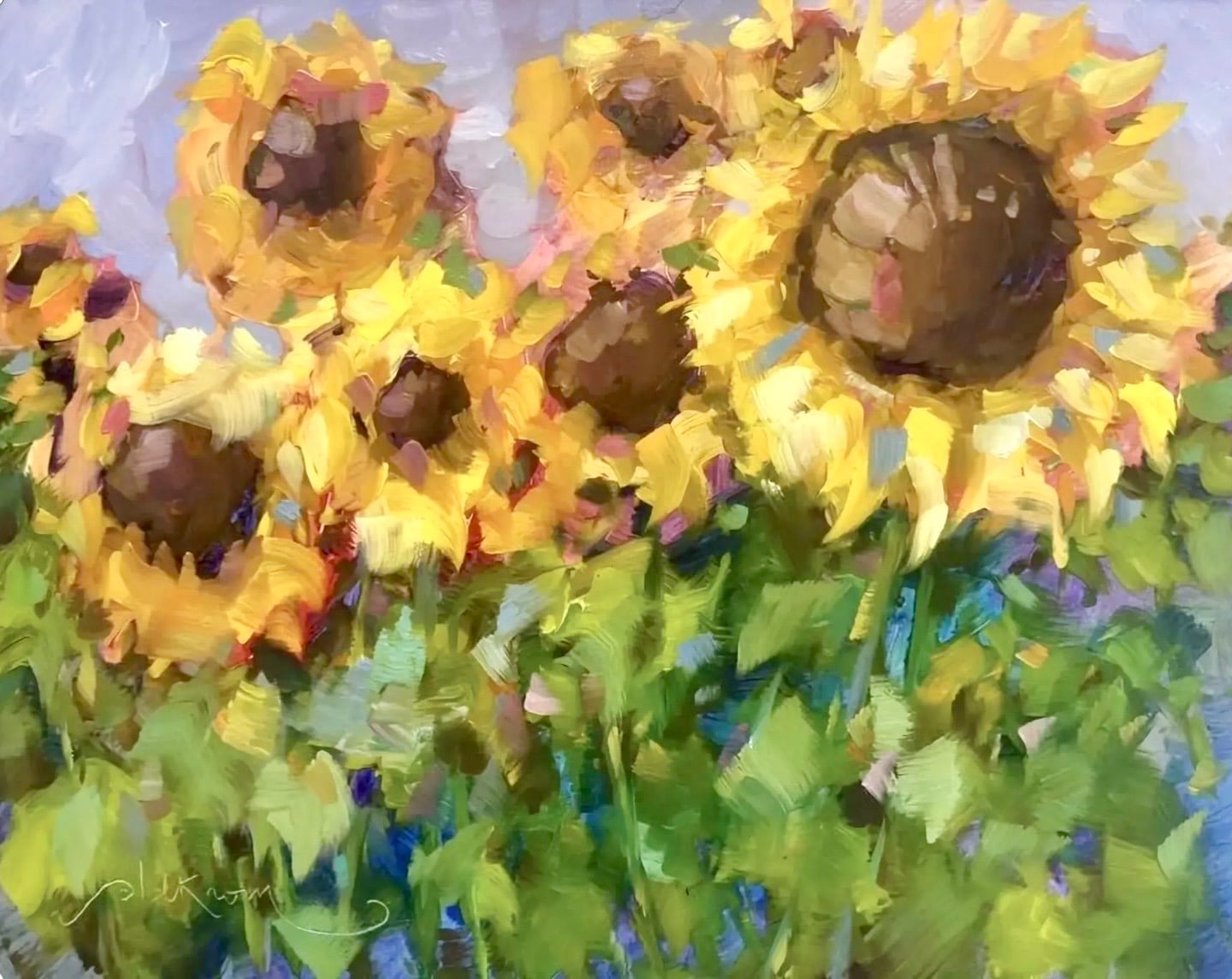
Artist Spotlight: Jenny Oldknow
I was fortunate to grow up in a family full of creative people who encouraged and nurtured my artistic endeavours from a young age. I’ve always enjoyed drawing and painting, but it was a school visit to see a Monet exhibition in London which really sparked my artist’s soul and so began a lifelong love of impressionist art. All that glorious light, colour, texture and lively brush strokes! This is what I’ve strived for in my paintings ever since.
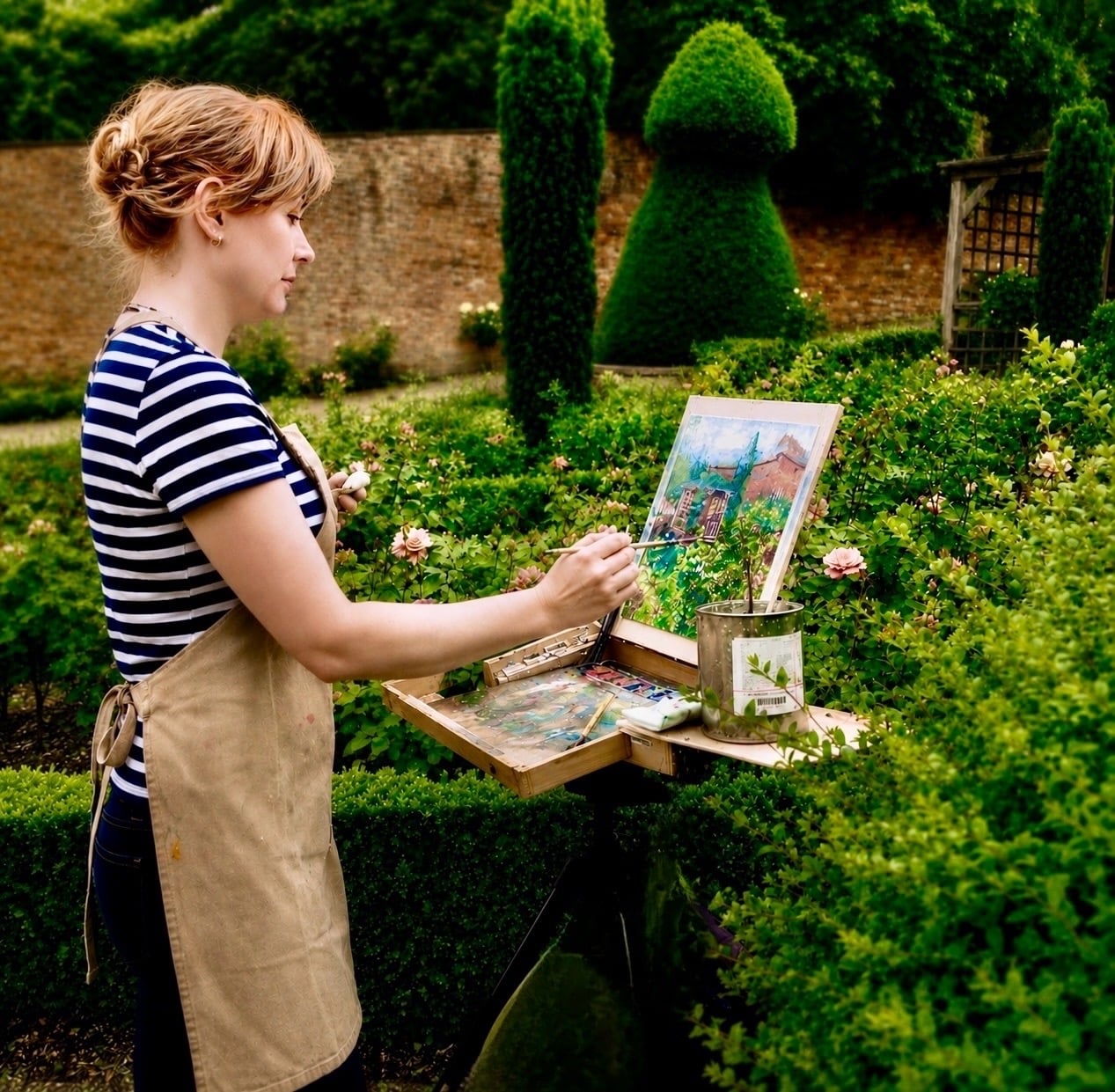
I have a lovely studio at home in the small town of Belper in Derbyshire. It’s definitely a cosy place to paint the occasional still life when the good old British weather is doing its worst, but my passion is painting en plein air. There’s nothing like being able to see the natural light on the subject I’m painting, using a vibrant palette of colours and bold, expressive brushwork.
I have no shortage of inspiring places to paint, living on the doorstep of the Peak District National Park, and I enjoy returning to familiar spots to paint at different times of day and in different seasons. The recent purchase of ‘Shrek’, the VW camper van, has opened up the opportunities to paint further afield, finding interesting new things to paint. My favourite things to paint are colourful gardens and the crumbly old buildings England has in abundance.
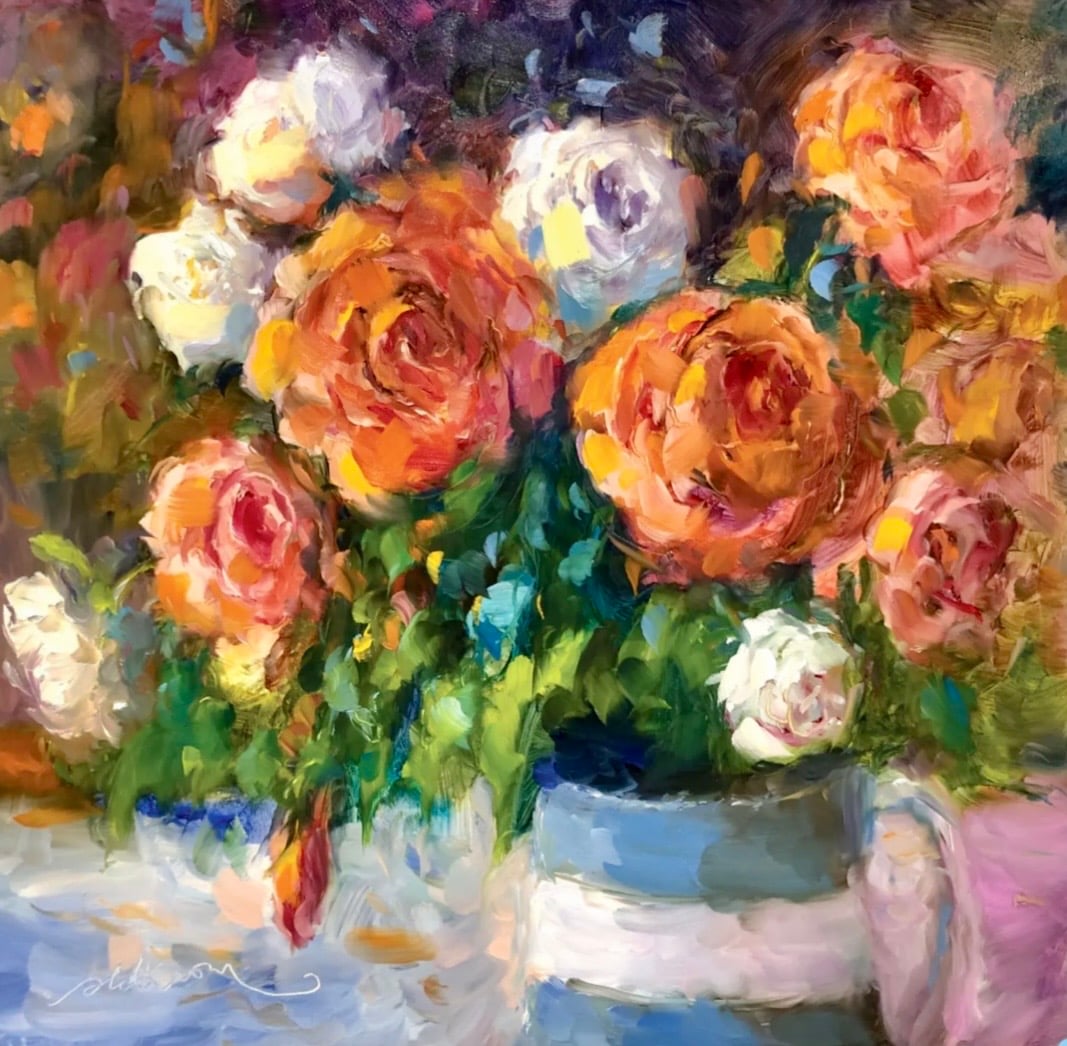
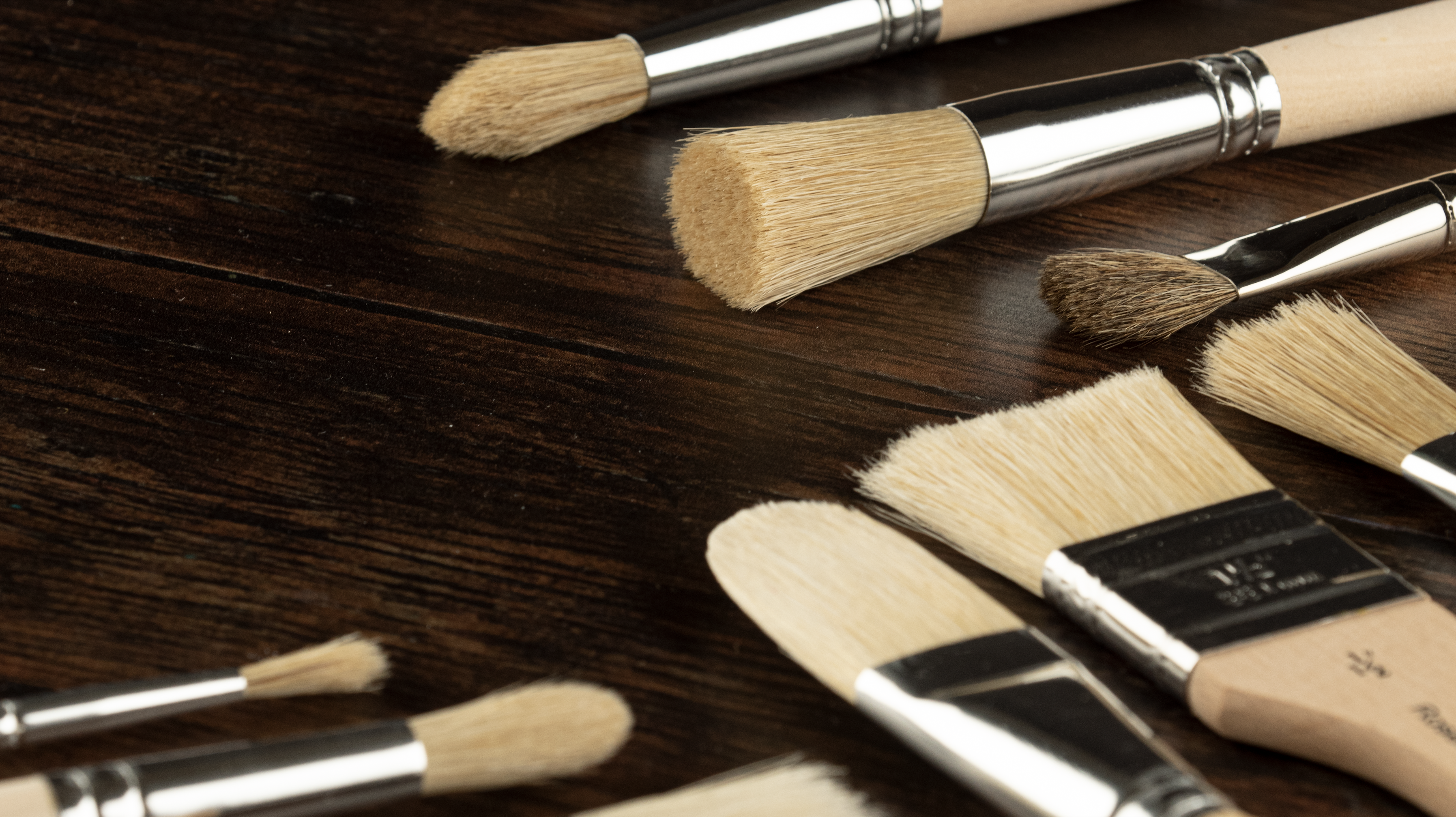
I love Rosemary brushes and have used them for years. They’re great quality and they make such a wide selection of bristle types, shapes and sizes to suit every purpose imaginable. It’s also nice to buy from a company based in the next county to me!
These days, I mainly paint en plein air, so I’ve got the brushes I use into a more streamlined selection of ‘must-haves’ that live in my painting rucksack, ready to go at a moment’s notice. I have pretty much the same brushes in my studio, but in a wider variety of sizes, reflecting the more varied sizes of painting I work on inside. The following sizes I refer to are for working on paintings approximately 10×12″ or smaller.
I have roughly split my painting process into four stages, trying to use the brushes I go onto detailed below, not using them too small and too early on to avoid overworking the painting, and the choice of brushes really helps with that.
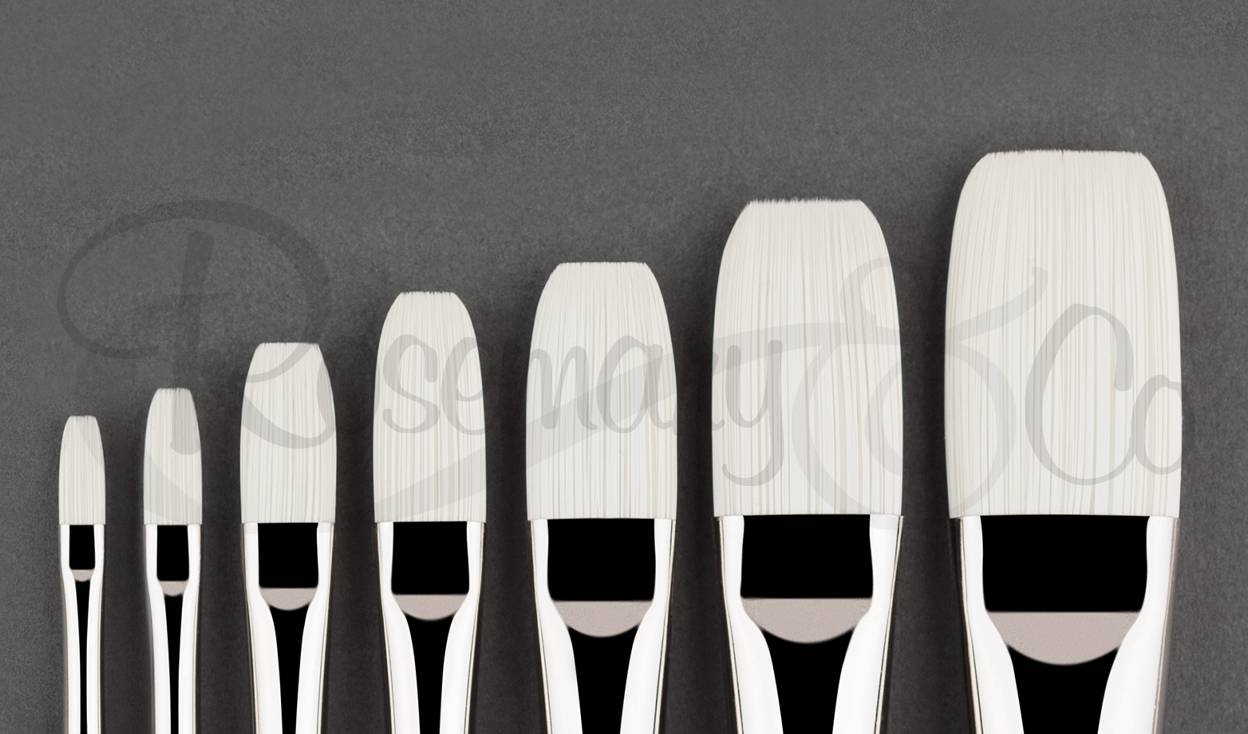
I begin with the Ivory curved edge in a size 6, which is great to quickly cover the panel with a diluted wash of dark transparent colours to get in the composition and work out where the darkest darks will be. The curved edge helps me keep a little more control and precision, even at this early stage. The ivory brushes are great as they are easy to clean and allow vigorous use.
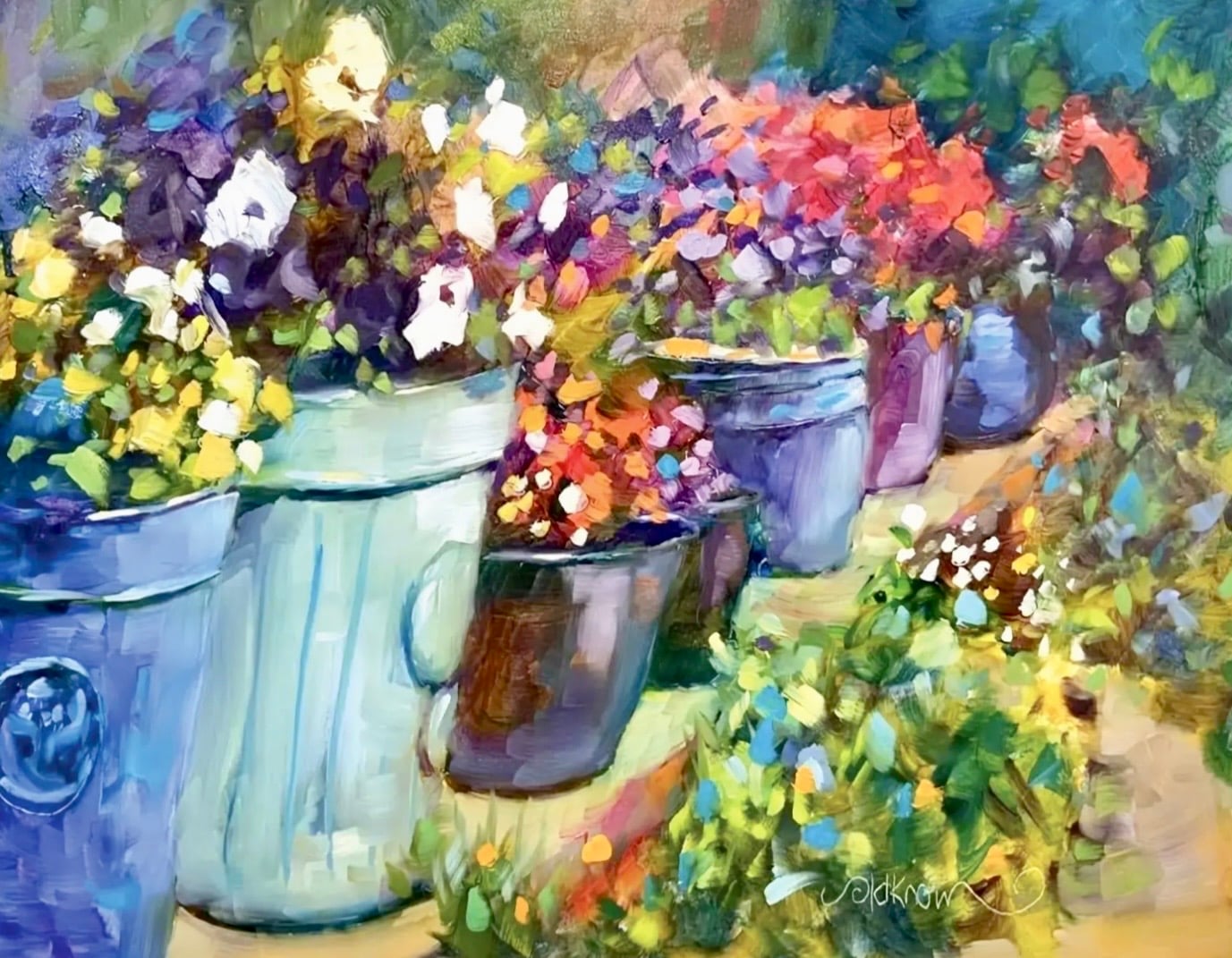
I then move on to the Ivory extra long flat in a size 5 to begin to apply the darker elements with just a little white if needed. I don’t use medium from this point forward, so my choice of brushes is important to allow me to work quickly alla prima. The extra long Ivory flat is good two maintain a loose application of paint to that first layer to thin out transparent colours without moving it too much.
Once the painting is covered with the thicker undiluted paint, it’s now time to get into the ‘lighter midtones’, using a little more white where needed. I swap to a selection of mainly the Eclipse range of brushes, which are perfect for applying paint without disturbing what’s already on the canvas too much. Their soft bristles allow me to whisk on the colour quickly and easily. The size and shape of the brush depend on the mark I want to make. These include long flats in sizes 4 and 6, the angular sizes 1/4″ and 3/8″, and a long Filbert a size 3. I also use the Evergreen Egbert in a size 0 and 2, as this is soft enough for my purpose (I’d love an Eclipse Egbert, hint, hint!). Using a selection of shapes and sizes helps me keep variety and interest in my brushwork.
To finish the painting, it’s time to apply those lovely little accents of the lightest highlights sparingly, and with a light touch, so I use the eclipse brushes in smaller sizes. Again, I use a variety of brush shapes to keep the marks varied, including a long filbert size 1, an angular size 1/8″ and a rigger size 2, to add those fine lines such as washing lines and ropes. These final touches bring the painting to life as they juxtapose against the darks from earlier layers.
Find me online…
Website – jennyoldknow.com
Instagram – @jennyoldknow
Facebook – Jenny Oldknow Artist